What To Wear On A Yarra Valley Wine Tour, Season By Season
The Yarra Valley runs hot in February and foggy in July, and the gap between the two is bigger than most visitors pack for. Here is what the climate record actually says, and what to wear for it.
Short answer
Dress in layers year round. Coldstream records a mean February maximum of 27.7 degrees C and a mean July maximum of 13.5, and January averages 11.5 days at 30 degrees or more. Comfortable enclosed shoes, a warm layer for the bus, and no strong fragrance in the tasting room cover every season.
What Should You Wear To A Winery In The Yarra Valley?
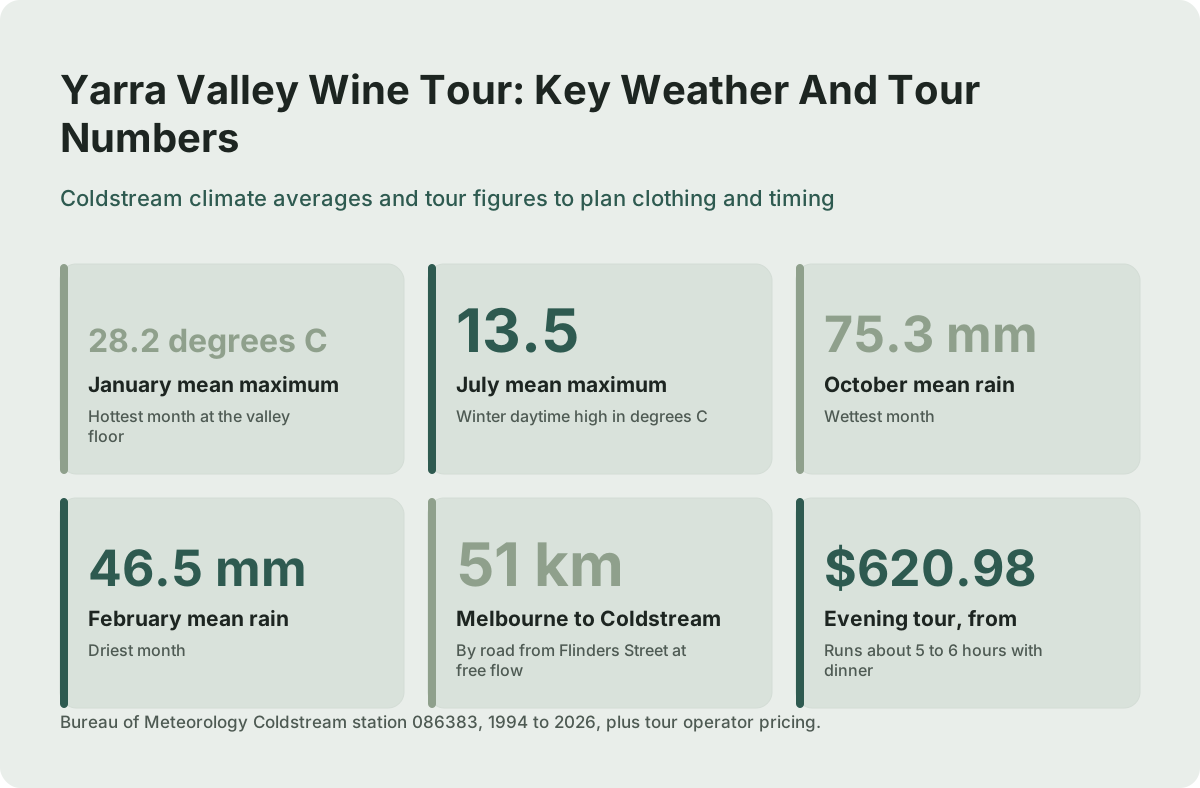
Dress for two climates in one day: a warm or cool outdoors, and a temperature-controlled tasting room, joined by a bus ride between them. Coldstream, on the valley floor, averages a January maximum of 28.2 degrees C and a July maximum of 13.5, with mean overnight lows near 4 degrees in winter. Layers, enclosed comfortable shoes and a jacket that fits in your bag solve almost every version of the day.
The single most common clothing mistake on a Yarra Valley wine tour is dressing for the departure temperature in Melbourne and discovering the day changed. The city and the valley are close, about 51 km by road from Flinders Street to Coldstream at free flow, but they are not the same weather. The valley sits lower, greener and damper, and its eastern end around Healesville historically recorded far more rain than the western end near Coldstream, so a day that starts dry can finish otherwise if your route runs east.
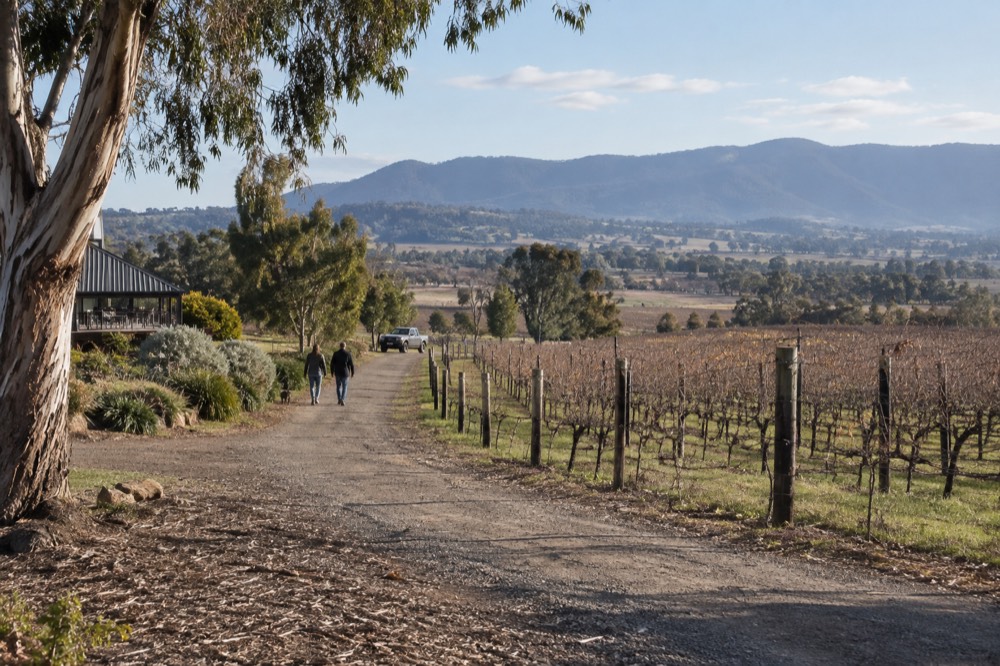
There is no dress code at the cellar doors themselves. This is a working wine region an hour from a major city, not a formal event, and the resident wardrobe on any given Saturday runs from smart casual to hiking gear. What actually matters is comfort across a long day, practicality on gravel and grass, and a few tasting-room courtesies around fragrance that have nothing to do with fashion. The rest of this guide works through the climate record first, because every clothing decision downstream flows from what the weather actually does here.
This site, Yarra Valley Wine Tours, builds its clothing advice on the Bureau of Meteorology's long-run station data rather than on generic four-seasons lists, because the valley's seasons do not behave generically. If you are still choosing the shape of your day, the full-day and half-day tour formats run different schedules, and a longer day simply exposes you to more of the temperature swing.
What Is The Weather Actually Like, Month By Month?
Coldstream, the Bureau of Meteorology's still-recording automatic station on the valley floor, averages a summer maximum of 28.2 degrees C in January against a winter maximum of 13.5 in July, with overnight means falling to 3.9 degrees in June and July. October is the wettest month at 75.3 mm on average and February the driest at 46.5 mm. Every month carries rain, so a packable rain layer earns its place year round.
Those figures come from 31 years of record, 1994 to 2026, at station 086383, which sits between Lilydale, Yarra Glen and Healesville. The Bureau publishes the full monthly table on its Coldstream climate averages page, and the numbers there are worth reading before you pack, because they kill two myths at once: that the valley is cold all year, and that an Australian summer day tour needs no warm layer.
| Month | Mean max (C) | Mean min (C) | Mean rain (mm) |
|---|---|---|---|
| January | 28.2 | 12.1 | 52.6 |
| February | 27.7 | 11.9 | 46.5 |
| March | 25.4 | 10.0 | 48.3 |
| April | 20.7 | 7.2 | 65.6 |
| May | 16.7 | 5.5 | 66.1 |
| June | 14.0 | 3.9 | 67.3 |
| July | 13.5 | 3.9 | 62.7 |
| August | 14.9 | 4.4 | 69.8 |
| September | 17.4 | 5.6 | 66.7 |
| October | 19.8 | 6.8 | 75.3 |
| November | 22.7 | 9.0 | 75.0 |
| December | 25.3 | 10.0 | 58.9 |
Two more numbers sharpen the picture. Coldstream averages 38.7 days a year at or above 30 degrees C, and January alone averages 11.5 of them, so a midsummer tour can be genuinely hot by early afternoon. At the other end, the record low at the station is minus 5.8 degrees C, which is a reminder that a winter morning on a vineyard can be frosty even when the city you left was merely brisk.
Whatever the season, the practical consequence is the same: plan for a swing of roughly 15 degrees between afternoon and evening, and carry the evening layer with you rather than leaving it at the hotel. If you are still deciding how much of the day to commit, the half-day tour options compress that exposure, while full days run about eight hours and cross the whole arc of the day.
What Should You Wear On A Summer Wine Tour?
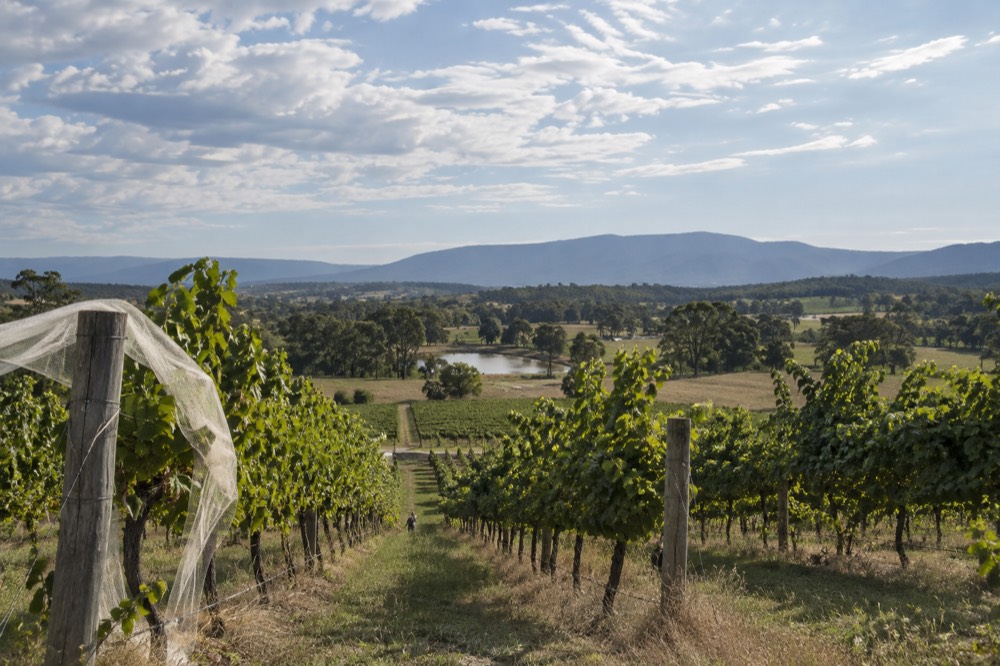
For December to February, pack for heat with a real evening cool-down: light natural fabrics, a hat, sunglasses, sunscreen and enclosed breathable shoes, plus one warm layer for the air-conditioned bus and the post-sunset drive home. January and February afternoons average 27.7 to 28.2 degrees C, and the sun in Australia is fierce enough that shade and coverage beat exposed skin for comfort.
The heat numbers deserve respect. With 10 days a year on average reaching 35 degrees C or more at Coldstream, and January averaging 4.1 of them, a summer tour can put you on a deck at a cellar door in the hottest part of the day. Light-coloured, loose natural fabrics, a wide-brim hat and a water bottle do more for your afternoon than any amount of athletic performance gear. UV in Victoria is extreme in summer, and a hat plus sunscreen is standard local practice, not overkill.
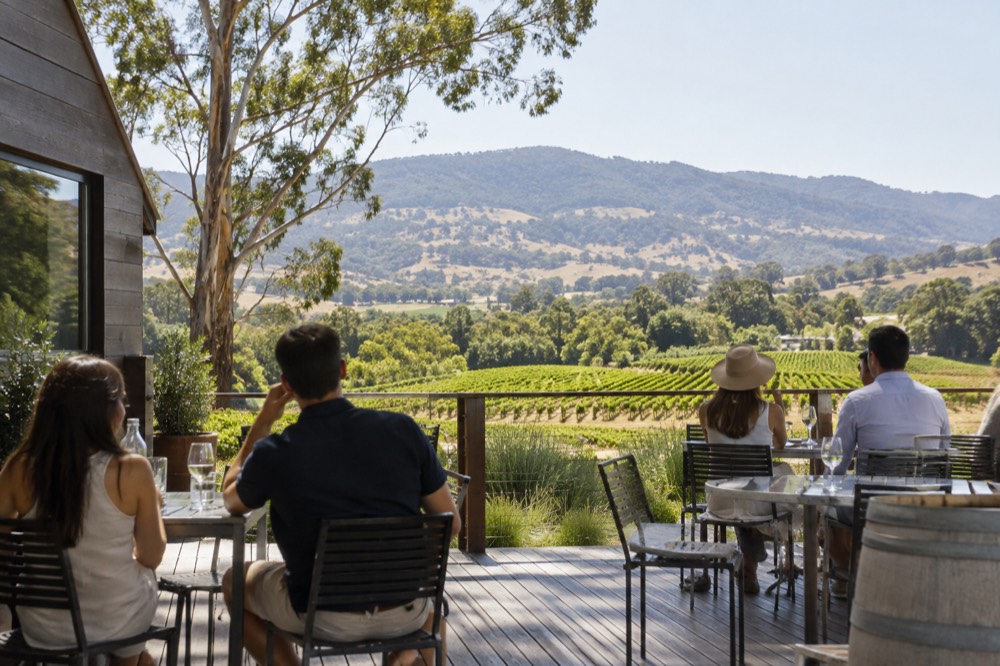
The counterintuitive summer item is the warm layer. Summer overnight means at Coldstream still fall to 11.9 or 12.1 degrees, and a tour that finishes at 5 or 6 pm drives back into a cooling evening, often with bus air-conditioning on top. A light jacket or a long-sleeve shirt in your bag turns the last hour from a shiver into part of the day. Locals call this the standard Melbourne-region move, and it applies just as strongly in the valley.
One summer-specific caution: bushfire season. The fire danger period for this area is declared by the Country Fire Authority on shifting dates each year, set by conditions rather than the calendar, so on a high-risk day follow your operator's guidance and check current warnings rather than assuming a normal day. That is a safety habit, not a clothing choice, but it belongs in any honest summer planning paragraph.
What Should You Wear On A Winter Wine Tour?
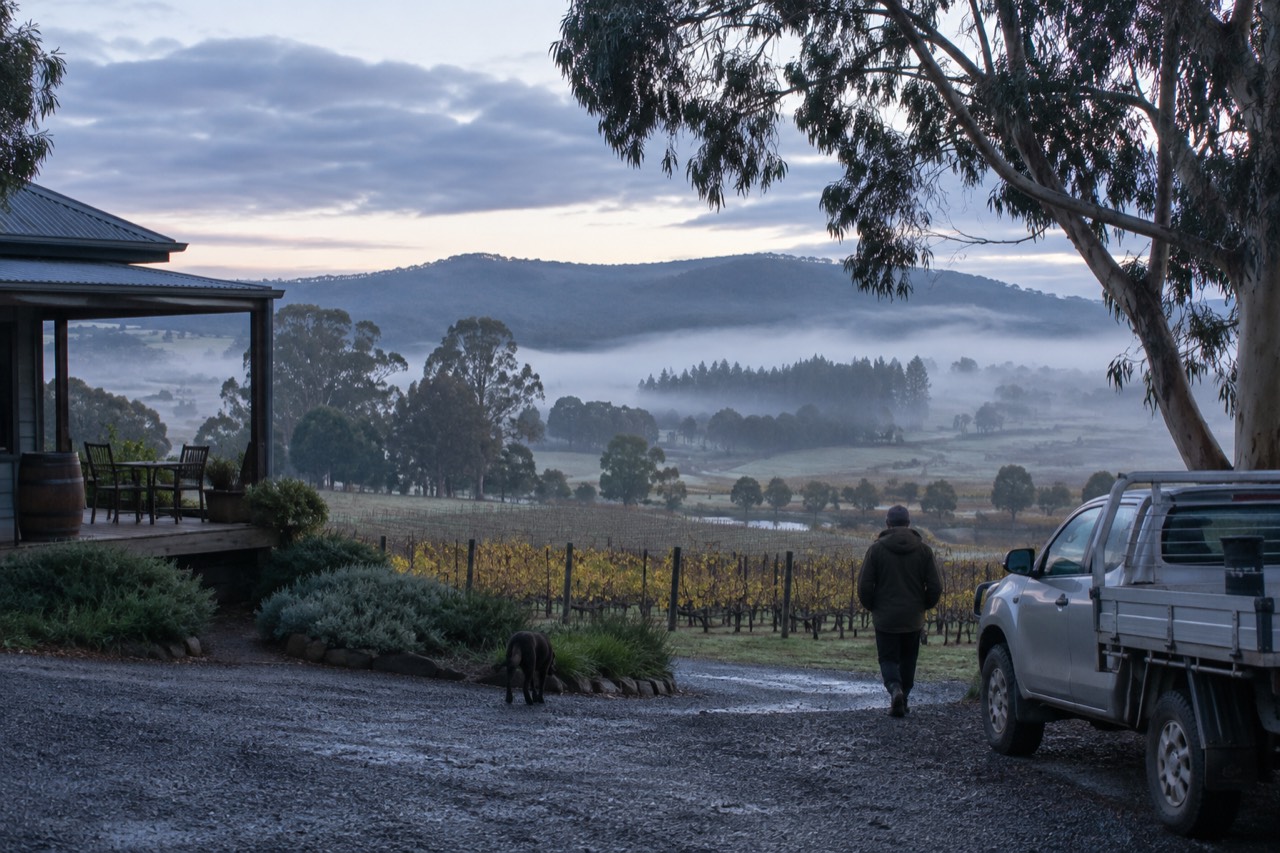
For June to August, plan for a maximum around 13.5 to 15 degrees C and overnight lows near 4, which means a proper insulated jacket, a warm mid-layer, long trousers and enclosed shoes, with gloves and a beanie worth packing for any outdoor stop. Winter in the valley is cold and damp rather than snowy, and fog on the vineyards is part of the scenery, so a water-resistant outer layer beats a fashion coat.
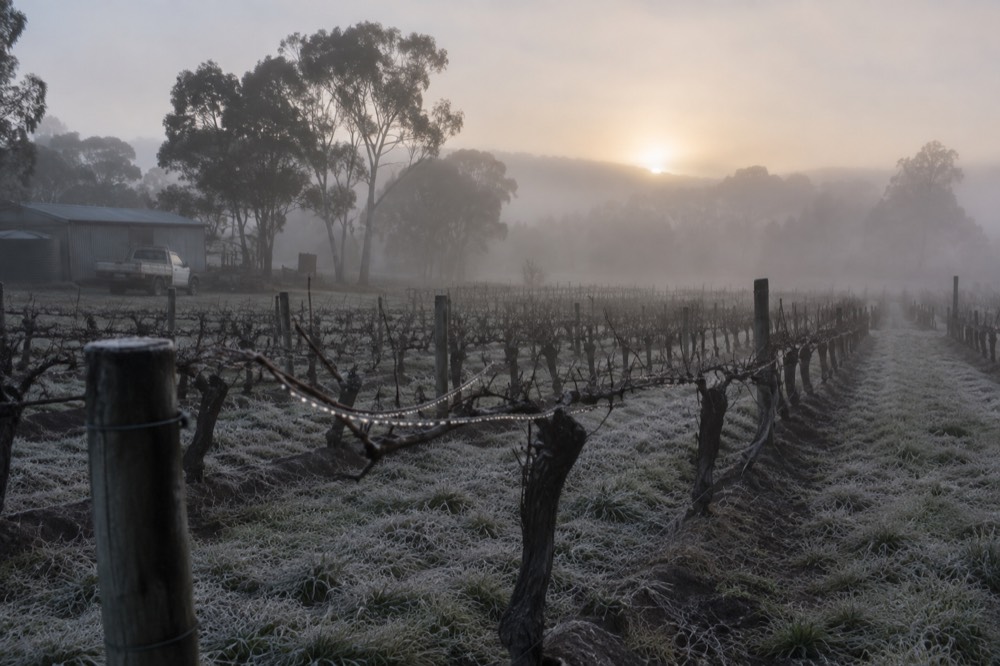
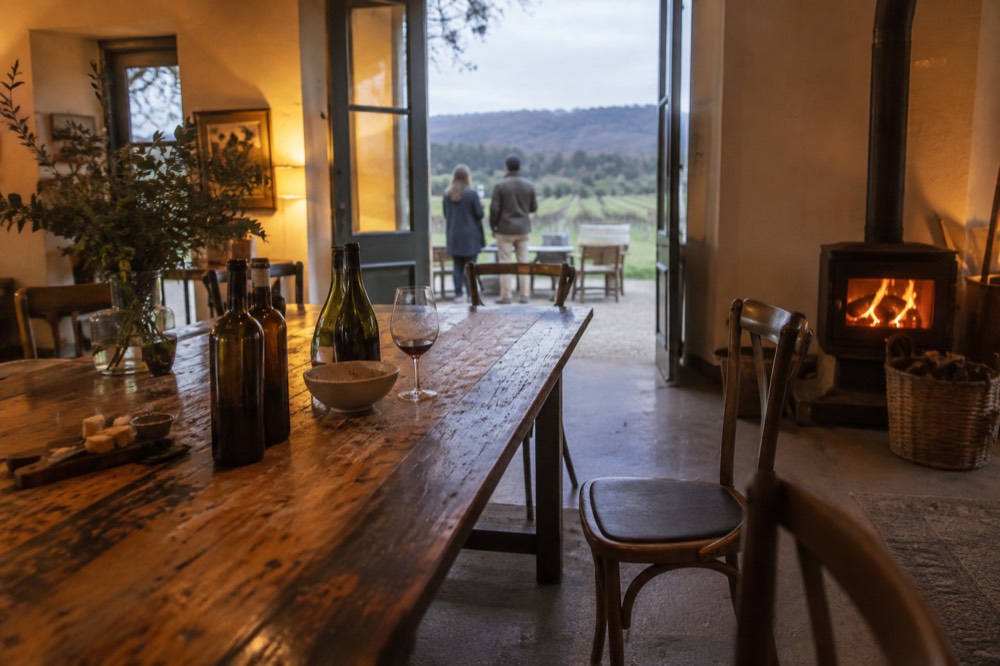
Winter here is genuinely cold by Australian standards, and the valley's fog and frost are real, not postcard talk. The good news is that winter is also when the fires are lit and the tasting rooms are at their cosiest, and the region's indoor experiences, from gin distilleries to long lunches, are built for exactly this weather. Dress for the walk between the bus and the door, and let the building do the rest.
The evening tours make the winter case most strongly. The evening private wine, whisky and dinner format runs about 5 to 6 hours into the night, from $620.98, with a two-course dinner included and hotel pickup, and its 5 across 24 reviews rating suggests guests arrive dressed for a night out. That is the one Yarra Valley tour format where smart attire genuinely fits: you are heading to dinner, in winter, after dark. A coat over a nice outfit, and closed shoes that can handle a cold pavement, is the right combination.
If your winter day runs long and you want to dress up without freezing, the private and luxury tour formats tend to pair well with a smarter wardrobe, since the vehicle door comes to you and the exposure to the elements is shorter.
What Shoes Should You Wear On A Wine Tour?
Enclosed, comfortable, flat shoes with a sole that grips are the right answer in every season. Cellar door grounds are a mix of gravel driveways, grass, timber decks and occasionally wet paving, and a day tour keeps you on your feet far more than people expect. New shoes are a mistake; broken-in shoes that have already walked a few hours are the single best thing you can bring.
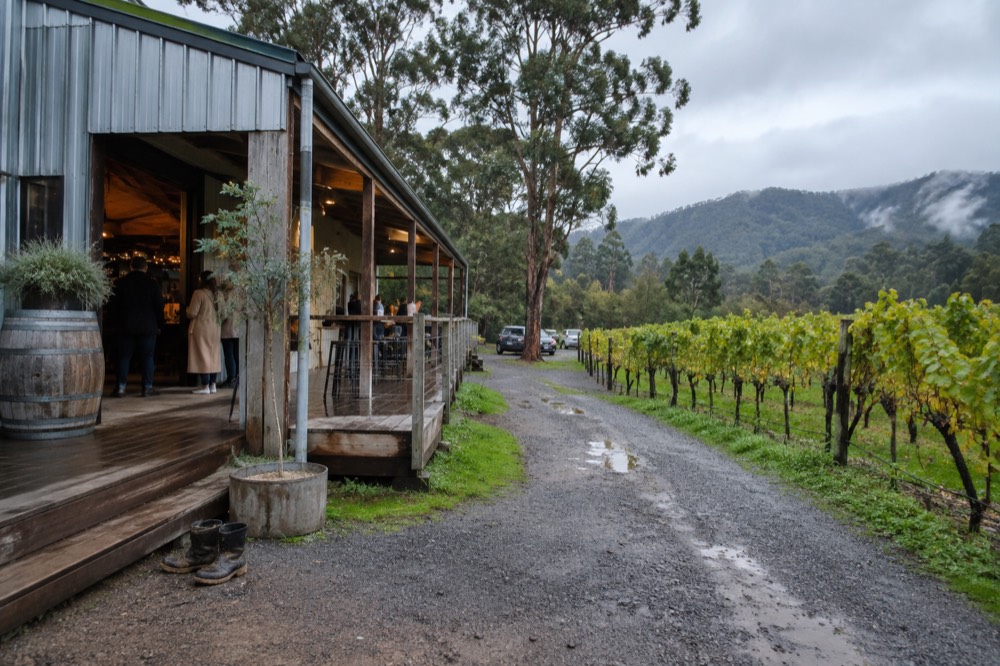
The shoe question comes up more than any other, and the honest answer is that the terrain, not the dress code, decides it. Vineyard settings are rural by definition, and even polished estates have gravel car parks and garden paths. A low heel can survive the day if you are practiced in it, but a wedge or stiletto on soft ground is a known way to end a tour early, and no tasting room is worth a twisted ankle.
| Shoe type | Works on a wine tour? | Why |
|---|---|---|
| Broken-in sneakers | Yes, every season | Grip, comfort, all-day wear |
| Leather or suede ankle boots | Yes, especially winter | Warm, stable on gravel and grass |
| Flat loafers | Yes | Fine on paving and decks, thin soles feel gravel |
| Sandals, flat | Summer only | Acceptable in heat, weak on gravel and wet paths |
| Heels, low block | Marginal | Survives indoors, risky on soft ground |
| Heels, high or stiletto | No | Sinks into grass and gravel |
| Brand-new shoes, any style | No | Blisters by the second stop |
The hop-on hop-off format raises the shoe stakes slightly, because you manage your own timing between stops on a route that runs 7 to 8 hours, and standing around at a pickup point is part of the deal. The RED route service, from $68.26 with a 5 rating across 270 reviews, gives you independence across a full day, and independence means your feet carry the schedule.
Which Fabrics And Colours Travel Best For A Wine Day?
Natural, breathable fabrics in colours that shrug off a splash are the practical choice: cotton, linen and merino all handle the valley's temperature swings better than synthetics, and dark or patterned fabrics hide the small spills that come with tasting red wine near white tablecloths. One spare layer in a bag beats a bulky coat you regret carrying by the second stop.
The fabric argument is mostly a comfort argument. Synthetics that feel fine in an air-conditioned office can turn clammy on a 28-degree deck and cold on a 13-degree one, sometimes within the same afternoon. Merino wool is the quiet champion of both ends: it breathes in heat, insulates when the temperature drops, and resists the odours of a long day. A light merino layer under a jacket covers more Yarra Valley weather than any single heavy garment.
Colour is about wine, not vanity. Red wine stains are the occupational hazard of the region, and the 2026 crush here was 44 per cent Pinot Noir, a variety not famous for coming out of pale fabrics. Dark trousers, patterned skirts and mid-tone dresses let you taste with confidence; a crisp white linen shirt looks wonderful for exactly as long as nothing drips. If you love light colours, keep them away from the glass-holding hand.
There is no expectation of formal dress anywhere on a standard tour. Smart casual, the phrase locals actually use, means clothes you could wear to a good lunch with friends. If your day includes a photographed moment, a balloon flight or an evening dinner, dress for that and let the rest of the day be comfortable around it.
What About Perfume, Cologne And The Tasting Room?
Skip strong fragrance entirely on a wine tour, because smell is most of what you are there to do: what you experience as flavour is overwhelmingly aroma, and a heavy perfume or cologne at a tasting bench interferes with your own palate and your neighbours'. Apply scent before you leave only if you must, and keep it light enough that the person beside you cannot name it.
This is the one clothing-adjacent rule with a real functional reason behind it. Wine tasting is a nose exercise, and a shared tasting bench puts several people's fragrance clouds within range of the same glass. Strong scent is widely treated as poor form in tasting rooms for exactly this reason, and unlike a dress code, it is not about appearance, it is about whether you can actually taste what you paid to taste.
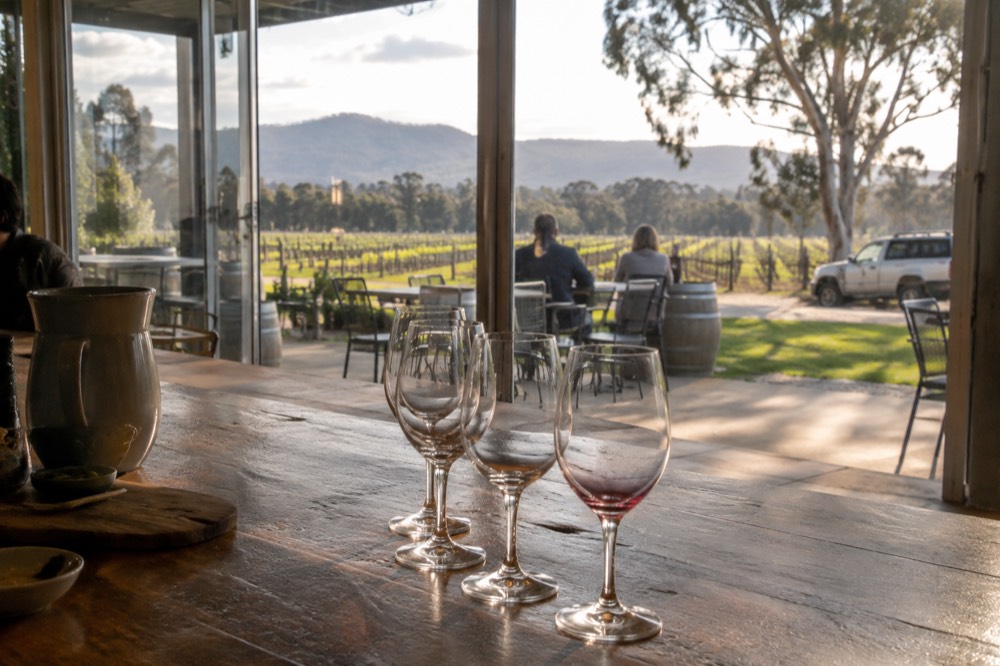
The same logic extends to a few other items. Heavy sunscreen applied right before a tasting carries its own scent and greasy transfer risk, so apply it at the outdoor stop, wash or wipe hands, then taste. Scented hand cream, strongly flavoured lip balm and chewing gum all work against the palate too. None of this needs to be treated solemnly, but guests who arrive fragrance-free consistently get more out of the day, and the wine is the reason you came.
What Should You Actually Pack For The Day?
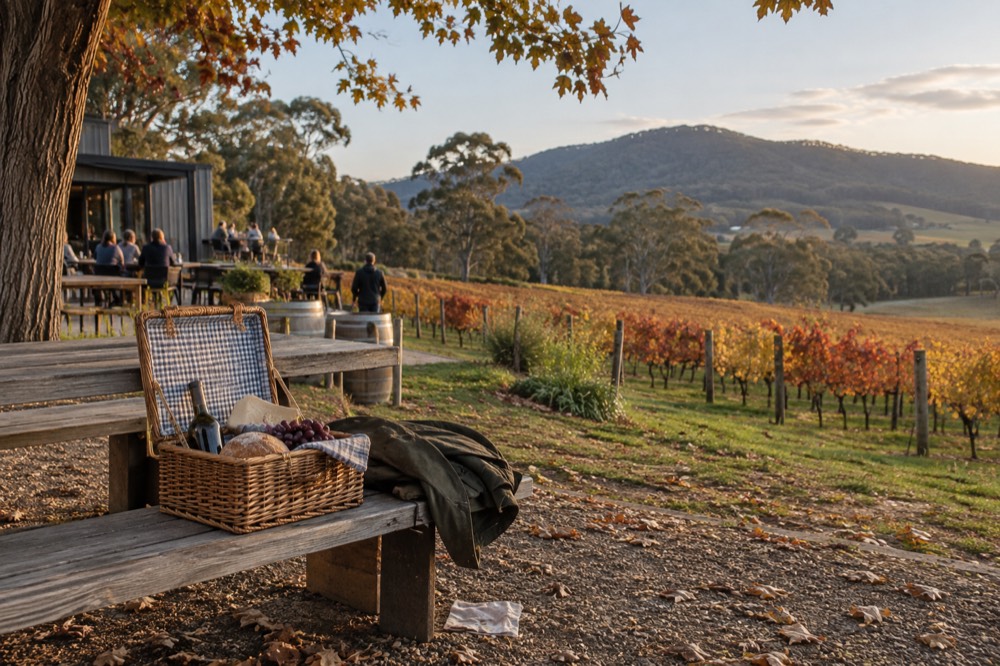
Pack one small bag per person: a warm layer, a rain layer, sunscreen, a hat, a water bottle, sunglasses, your ID, a card for purchases, and any medication you need across a long day. Tours run from about 5 hours on a half day to 10 hours on the longest full day, so the bag should be small enough to sit on your lap or at your feet on the bus.
The list is short because the day is structured. Lunch is included or optional on most formats, tastings are arranged by the operator, and the vehicle handles the distance. What you personally need is the layering system, sun protection, hydration and the small items that make a long day comfortable. A phone battery bank earns its slot too, because photos across a valley day drain a battery faster than people expect.
| Season | Base layer | Warm layer | Rain layer | Extras |
|---|---|---|---|---|
| Summer | Cotton or linen shirt | Light long-sleeve | Packable shell | Hat, sunscreen, sunglasses |
| Autumn | Long-sleeve top | Light jumper or fleece | Packable shell | Beanie for evenings |
| Winter | Merino base | Jumper plus insulated coat | Water-resistant coat | Gloves, beanie, scarf |
| Spring | Long-sleeve top | Jumper | Packable shell | Hat, sunscreen |
One packing case sits outside the table: the sunrise balloon flights, which run about 4 hours and start before dawn. Balloon launch sites are open paddocks, cold at any time of year, and the flights include GoPro photos, from $363.51 for the sunrise flight with a 4.9 rating across 529 reviews, so you will be photographed against the sky. Flat enclosed shoes, a warm jacket even in summer, and a hat that will not blow away are the working uniform. If you are pairing a flight with a winery day afterwards, the balloon and winery tour combinations explain how the two halves of those days fit together.
Does The Tour Format Change What You Wear?
Yes, more than the season does: a standard eight-hour group day calls for pure comfort, a small-group premium day for smart casual, a private car day for whatever you like, and an evening dinner tour for actual evening wear. The vehicle, the stops and the finish time all shift the right answer, so pick the format first and let the wardrobe follow, not the other way around.
The format-to-wardrobe mapping is straightforward once you see it. Standard full-day tours, from $84.45 per person on this site's roster, are bus-based, walking-heavy and casual, and the 8 hour runtime means comfort wins by the third stop. Small-group and premium formats, from $131.45 to $249.69, tend to run a smarter crowd and a slower pace. Private formats, from $234.52 for a car with your own driver up to $642.58 for a fully custom winery day, let you set the tone entirely, and the private car day's confirmed stops, including Yering Station, TarraWarra Estate and Domaine Chandon, are the kind of estates where guests often choose to dress up a little.
The evening dinner tour is the clearest example of format driving dress. It is the only format in the roster that is explicitly a night out, built around a two-course dinner and whisky, and the right outfit is the one you would wear to a good restaurant in winter. At the other extreme, the gin, cider and chocolate tasting day, from $94.73 with a 5 rating across 5,438 reviews, is a relaxed, high-energy group day where sneakers and shorts in summer are entirely normal. Reading the itinerary of your chosen tour before packing is the last step of this whole guide: the stop list tells you the terrain, the finish time tells you the evening layer, and the meal tells you the dress level.
Common Questions
What should I wear to a winery in summer?
Light natural fabrics, a hat, sunglasses, sunscreen and enclosed breathable shoes, plus one warm layer for the air-conditioned bus and the evening drive home. Coldstream averages a January maximum of 28.2 degrees C and 11.5 days at 30 or more in January alone, so plan for real heat as well as the cool-down.
What should I wear to a winery in winter?
An insulated jacket, a warm mid-layer, long trousers and enclosed shoes, with gloves and a beanie for outdoor stops. July averages a maximum of 13.5 degrees C and an overnight minimum of 3.9, and the valley runs foggy and damp, so a water-resistant outer layer works better than a fashion coat.
Are heels okay on a wine tour?
Low block heels can survive indoors, but high heels are a poor choice: cellar door grounds mix gravel, grass and timber decking, and soft ground swallows a stiletto. Broken-in flat shoes or ankle boots are what most guests end up glad they wore.
Should I wear perfume or cologne to a tasting room?
No. Smell is most of wine tasting, and strong fragrance interferes with your own palate and the experience of everyone standing near you at the bench. Keep scent light or skip it, and apply sunscreen outdoors rather than right before tasting.
Do I need a jacket even in summer?
Yes, a light one. Summer overnight means at Coldstream still fall to about 12 degrees, and tours finish in the early evening, often with bus air-conditioning on the way back. A packable layer turns the last hour of the day from a shiver into part of the trip.
Is there a dress code at Yarra Valley cellar doors?
No. The region is a working wine country an hour from Melbourne and the everyday wardrobe runs from smart casual to outdoor gear. What matters is comfort across a long day, shoes that handle gravel and grass, and dressing up only if your format, such as an evening dinner tour, calls for it.